Profit-sharing Plan
Profit sharing plans are usually incentive plans that provide a distribution of a portion of profits or for publicly traded companies a distribution of shares of stock in the company based on the performance of the company. Many employers offer a profit-sharing plan in addition to traditional 401ks. What Is a Profit-Sharing Plan.
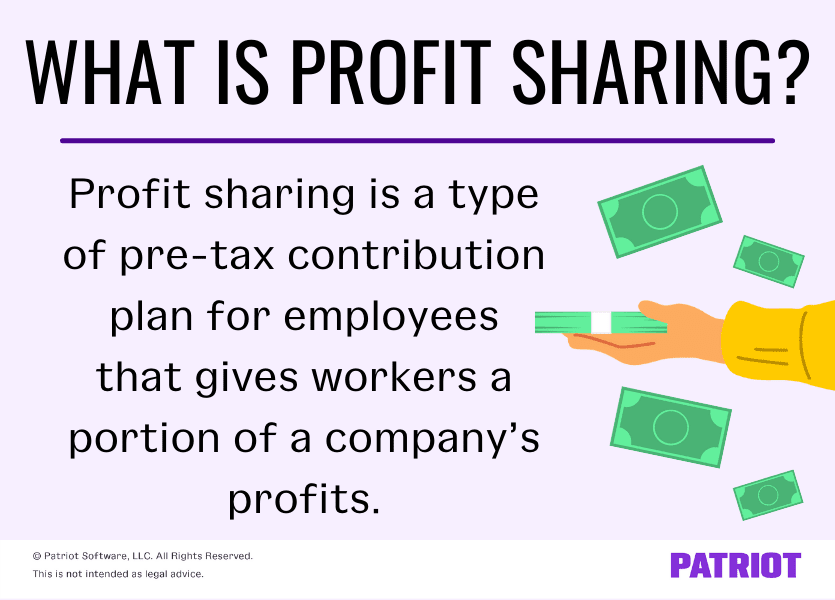
What Is Profit Sharing Definition Examples More

Profit Sharing Plan Definition Example Top 3 Types
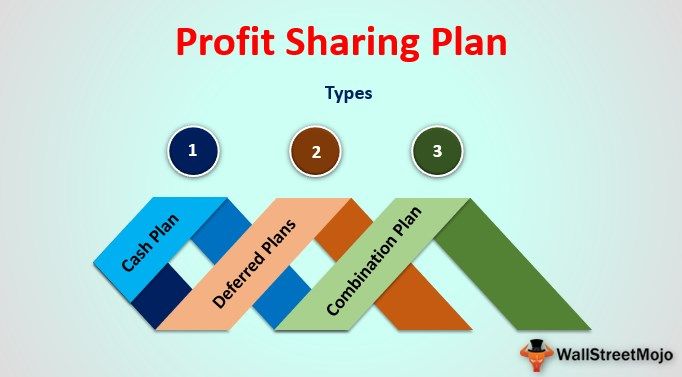
Dheeraj On Twitter Profit Sharing Plan Definition Example Top 3 Types Https T Co V1ff700egr Profitsharingplan Https T Co Xpiggvved1 Twitter
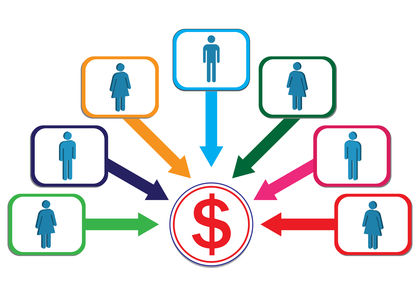
Profit Sharing Levels System Advantages Type Company Disadvantages Business System History

Profit Sharing Human Resource Management

Are You Getting Any Value From Your Profit Sharing Plan Tlnt
Profit Sharing Profit sharing is a workplace compensation benefit that helps employees save for retirement by paying them a portion of.
Profit-sharing plan. Download this editable and ready-made template through which you can acknowledge that under the profit-sharing plan and trust you are entitled to the benefits at the time of your. They share the same structure in that a standard profit sharing is generally an investment portfolio holding a mix of mainstream securities assets. Profit-sharing plans are different from other retirement plans like 401k plans because employees do not put any of their own money into the plan.
Businesses of all sizes can offer profit sharing plans. Many businesses offer profit sharing as a retirement benefit for employees. Profit sharing plans have additional advantages.
A profit-sharing plan is a kind of retirement plan that allows employees to partake in a companys profits. A profit sharing plan is a type of retirement savings plan that enables workers to share in their companys profits. In publicly traded companies these plans typically amount to allocation of shares to employees.
With a profit-sharing plan PSP employees receive an amount based on the companys earnings over a specific period of time eg a year. These plans fall into two types. A profit sharing plan is a type of plan that gives employers flexibility in designing key features.
It allows you to choose how much to contribute to the plan out of profits or otherwise each year including making no contribution for a year. N Can help attract and keep talented employees. A profit-sharing plan takes a percentage of the companys profits and shares it with the team on top of their compensation plan.
Generally an employee receives a percentage or dollar amount of the businesss profits either in cash or company stock. Profit sharing refers to various incentive plans introduced by businesses that provide direct or indirect payments to employees that depend on companys profitability in addition to employees regular salary and bonuses. Its a great way to give your team extra money without creating entitlement because its directly tied to their hustle.
One of the earliest pioneers of profit sharing was. Employers start a profit sharing plan for additional reasons. A profit sharing plan is usually structured to give a percentage of the profits to employees based on the companys earnings.
An employee earns a percentage of a companys profits based on quarterly or annual earnings under this type of plan known as a deferred profit-sharing plan. In profit sharing the company contributes a part of its profits into a pool of funds to be distributed among eligible. Like 401k plans profit-sharing plans are tax-advantaged retirement accounts that an employer runs for their employees.
A profit sharing plan is a type of plan that gives employers flexibility in designing key features. A profit-sharing plan can also be termed as a deferred profit-sharing plan and that will give employees a share from the profits earned by the company that is based on the companys earning. Profit sharing plans may.
The difference is in how contributions are made. It allows the employer to choose how much to contribute to the plan out of profits or otherwise each year including making no contribution for a year. T here are different types of profit-sharing plans you can use to incentivize and reward your employees.

What Is A Profit Sharing Plan Definition Rules Example Video Lesson Transcript Study Com

Profit Sharing Plans Digital Media Business Plan Performance Evaluation Cpb Presentation Powerpoint Templates Ppt Slide Templates Presentation Slides Design Idea

The Benefits Of Profit Sharing For Small Businesses Peo Human Resources Blog

Profit Sharing Calculator For A Startup Business Plan Projections
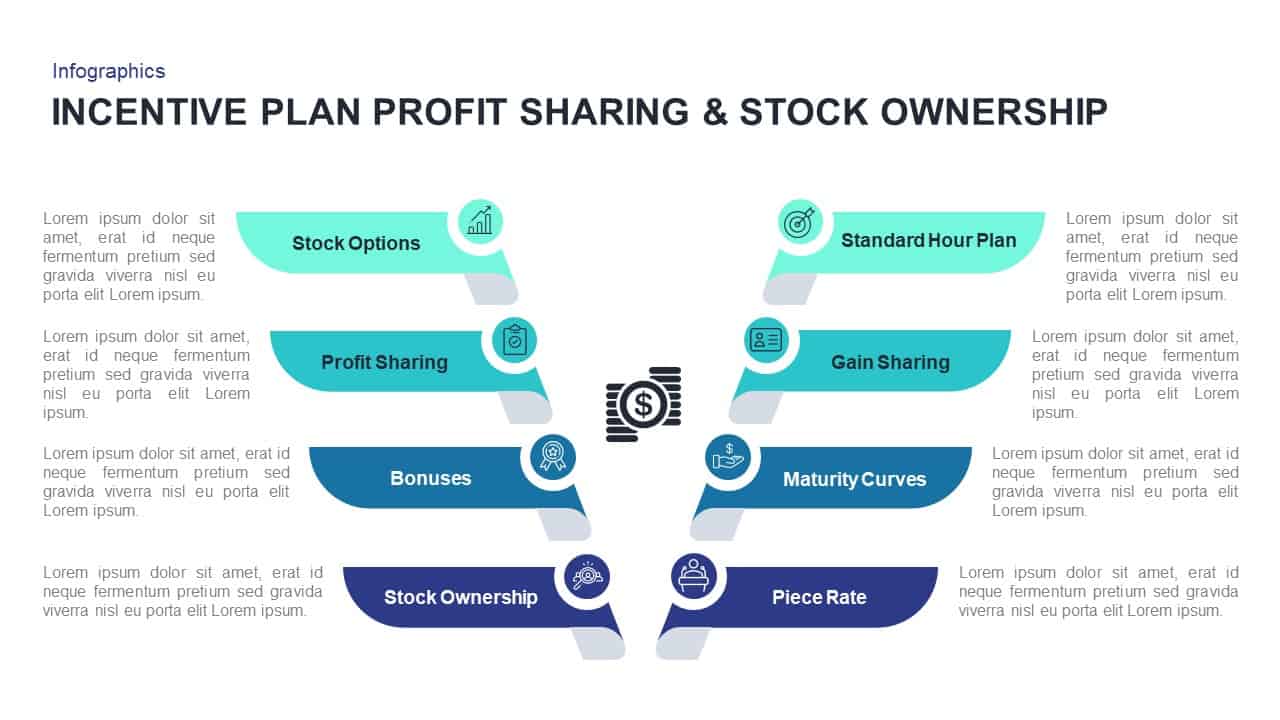
Incentive Plans Profit Sharing Stock Ownership Presentation Diagram

What Is A Profit Sharing Retirement Plan Retirement Strategies Llc

Is Your Profit Sharing Plan Really A Bino A Bonus In Name Only Tlnt

Profit Sharing Retirement Plan Ppt Powerpoint Presentation Layouts Layout Cpb Presentation Graphics Presentation Powerpoint Example Slide Templates

Profit Sharing Plan Ppt Powerpoint Presentation Portfolio Format Cpb Powerpoint Templates
Maximizing Retirement Plan Benefits

Profit Sharing Plan The Information Contained In This Document Is Not For Use Or Disclosure Outside Makotek Llc Ppt Download

Business Concept About Profit Sharing Plan With Inscription On The Piece Of Paper Stock Image Image Of Finance Investment 183824369

Profit Sharing Plan Template By Business In A Box
profit sharing
Profit sharing — Profit sharing, when used as a special term, refers to various incentive plans introduced by businesses that provide direct or indirect payments to employees that depend on company s profitability in addition to employees regular salary and… … Wikipedia
profit sharing — ˈprofit ˌsharing also profit sharing noun [uncountable] 1. HUMAN RESOURCES when a company gives part of its profits to its employees: • He has long believed in employee profit sharing or employee ownership. • The 2005 … Financial and business terms
profit-sharing — UK US (also profit sharing) noun [U] ► HR a system by which employees receive a part of the profits of a business: »The company s costs increased due to higher employee profit sharing. »a profit sharing agreement/plan/scheme … Financial and business terms
profit sharing — n. the practice of dividing a share of the profits of a business among employees, in addition to paying their regular wages and salaries profit sharing adj … English World dictionary
profit sharing — profit shar·ing n: a plan under which employees receive a part of the profits of an enterprise Merriam Webster’s Dictionary of Law. Merriam Webster. 1996 … Law dictionary
profit sharing — profit .sharing n [U] a system by which all the people who work for a company receive part of its profits … Dictionary of contemporary English
profit sharing — profit ,sharing noun uncount BUSINESS a system by which all the people employed by a company get a share in the profits … Usage of the words and phrases in modern English
profit-sharing — ► NOUN ▪ a system in which the people who work for a company receive a direct share of its profits … English terms dictionary
profit sharing — profitsharing, adj. the sharing of profits, as between employer and employee, esp. in such a way that the employee receives, in addition to wages, a share in the profits of the business. [1880 85] * * * System by which employees are paid a share… … Universalium
profit-sharing — profˈit sharing noun A voluntary agreement under which an employee receives a share, fixed beforehand, of the profits of a business • • • Main Entry: ↑profit * * * ˈprofit sharing [profit sharing] noun uncountabl … Useful english dictionary
profit sharing — noun a system in which employees receive a share of the net profits of the business (Freq. 1) • Hypernyms: ↑share, ↑portion, ↑part, ↑percentage * * * noun : a system or process under which employees receive a part of the profits of an industrial… … Useful english dictionary
Profit Sharing Plan: What Is it and How Does it Work?

Profit Sharing plans are employer-sponsored defined contribution plans, along the lines of a However, with a profit sharing plan, only the employer can make contributions to the plan, and employees cannot make contributions.
This type of plan allows employees to share in the company’s success and is also an attractive perk when it comes to hiring new staff. We’ll take a look at what a Profit Sharing Plan is and how it compares to other retirement plans such as the 401(k).
What is a Profit Sharing Plan?
A Profit-Sharing Plan allows companies to share part of the profits with their employees. The program offers a lot of flexibility as employers can decide which years they will make contributions to the plan.
As the amount of contributions can be determined from year-to-year, companies can adjust the contributions to the plan depending on their cash flow needs and the size of the profits. If the company has a bad year in generating revenue it can also decide to make no contributions at all.
Companies can decide to make contributions based on quarterly or yearly profits. The freedom of maneuver allows them to decide what percentage of profits they will contribute to employees at their complete discretion.
Even if a business is profitable in any given year the discretion allowed under the plan means the company is not under any obligation to make contributions for that period. The company may also set up a Profit Sharing Plan if it is not currently profitable.
The federal government, and most states, will not tax any contributions made within the limits. All contributions made within the set limits are tax-deferred, allowing the money held within the plan to grow tax-free until retirement.
Who Can Participate?
In general, Profit Sharing Plans include all rank-and-file employees, managers, and owners of the business. However, the company may exclude some employees under a few circumstances outlined below:
- Employees younger than age 21
- Those with less than 1 year of service (2 years for some plans)
- Already covered by a collective bargaining agreement
- Retirement benefits were subject to good faith bargaining
- Certain nonresident aliens
If you are an eligible employee for the plan, the company must provide information about the features of the plan, your benefits, and your rights. The company must provide all eligible participants with a Summary Plan Description. This document informs participants and beneficiaries about the plan and how it operates.
Nondiscrimination Rules
Under the rules of nondiscrimination concurrent to a Profit Sharing Plan, employers must ensure contributions made to rank-and-file employees are proportional to contributions made for managers and owners.
Plans may undergo annual testing to determine that contributions made to employees are proportional to the contributions made to managers and owners. Proportionality of contributions across all staff is a requirement for the plan to maintain its tax-deferred status.
Contribution Limits
Contribution limits are determined by the lesser of 100% of remuneration or $58,000 for 2021 and $61,000 for 2022. As with most retirement plans, the yearly contribution limit is adjusted yearly to compensate for inflation.
However, there is no Roth option under a Profit Sharing Plan. These limits do not affect your contribution limits on your IRA or 401(k) as you may still set up retirement plans where you can make your contributions.
How Does My Employer Calculate My Profit Share?
The most commonly used method to determine how much of the profits a company will contribute to each Profit Sharing Plan is the comp-to-comp approach. With this method of calculation, the company contributes to each participant an amount of the profits that is proportional to the employees’ salaries.
Let’s look at a numerical case. For example, the company decides that for the past tax year it will contribute 10% of profits to its employees. The company has 3 employees and 1 manager and generates a profit of $1,000,000.
The total amount the company will contribute to all plans is 10% of $1 million, or $100,000. This then needs to be distributed among all eligible participants proportionately. Under the method mentioned above, the profit share will be multiplied by each participant’s salary and then divided by the total of all salaries.
To create easy calculations for our example, let’s say the staff at the company have the following salaries:
The company will contribute to each participant following the calculations made below:
What Investments Can I Make With a Profit Sharing Plan?
You can invest in a variety of assets under a Profit Sharing Plan, although there are some limitations. And you may not have direction over which investments you can make with the contributions made to your plan on your behalf.
Typically Profit Sharing Plans can invest in the following broad asset categories:
Unfortunately, you cannot invest in precious metals through a Profit Sharing Plan. In fact, any type of real asset is strictly prohibited within a Profit Sharing Plan. This means you won’t be able to invest in cryptocurrencies either.
You may invest in ; these are securities of precious metals mining firms or funds that invest in precious metals. Examples include Barrick Gold ( ) and Coeur Mining Inc. ( ), or iShares Gold Trust ( IAU: NYSEArca ), and SPDR Gold Shares ( GLD: NYSEArca ).
Rollover Option
Another option you have once the money in your plan is fully vested is to roll over your contributions to an IRA or a 401(k). Rolling over your contributions of a Profit Sharing Plan to a Self-Directed IRA will allow you to gain access to investments in real assets.
Can I Cash Out My Profit Sharing Plan?
This depends on a few factors. If you are over the age of 59 ½ you may take distributions from the plan without any penalty. Distributions from a Profit Sharing Plan under the age of 59 ½ may incur a 10% penalty.
You must check the vesting schedule of the plan. Some employers make fully vested contributions. This means the money in the plan belongs to you immediately. So, if you were to leave the company at any time you will be able to take that cash with you.
Some employers adopt a vesting schedule which means that you will forfeit the money if you change jobs before the vesting period is complete. For example, a Profit Sharing Plan with a 2 year vesting period means you will forfeit any money that has not been in the plan for longer than 2 years when you leave.
To explain further, say you received $5,000 in your first year under the company’s Profit Sharing Plan. The next year you received $10,000; however, the plan has a 2-year vesting period. If you leave 2 years after receiving the first contribution of $5,000 you can take it with you. But you will forfeit the $10,000 of contributions.
Can an Employer Keep Your Profit Sharing Plan?
This question is often asked as the employer is the one who makes the contributions to your plan as an incentive over your salary. So, the fact of the matter is that your employer can keep part or all of your Profit Sharing Plan contributions if you leave and your cash is not fully vested.
As mentioned earlier, some plans include a vesting schedule, which is often between 3 and 5 years. Usually, these schedules give you 100% ownership of the contribution once the vesting period is over. However, some vesting schedules allow for your contribution to become fully vested gradually.
That is, as the years go by a higher percentage of your contributions become vested. For example, after 1 year you may have 25% of your contributions fully vested, after 2 years 50%, and so on. In which case, if you leave before the final vesting period you will only lose the proportion of the contributions that are not fully vested.
Profit Sharing Plan Compared to a 401(k)
The main difference between Profit Sharing Plans and 401(k) is that contributions are made from your salary and not by the company. These contributions are a regular percentage of your income, although some employers also match employee contributions up to a certain amount.
You also have full ownership of the cash that goes into your retirement plan, whereas some Profit Sharing Plans may use a vesting schedule which delays full ownership of your funds. 401(k)s also usually allow for more flexibility when it comes to choosing which investments you want to make.
Contribution limits for Profit Sharing Plans are much higher than those for 401(k)s. For 2022, 401(k) contributions are limited at $20,500 plus $6,500 catch-up if you are over the age of 50. The good news is that you are not limited to having one type of plan only. Employers can provide both types of plans to all workers simultaneously.
Profit Sharing Plans allow employers a way to motivate their employees and managers. It is also useful in attracting new hires, and the vesting schedule can also help in keeping employees for longer.
However, if you are thinking of holding precious metals in your retirement plan, as you just read it’s not possible through your Profit Sharing Plan. You have many options to consider if you want to add gold or other precious metals to your retirement portfolio. You can learn more about how to invest in gold for retirement with our downloadable free guide .
Доля сотрудника
Компания «Вымпелком» ввела новую систему мотивации персонала — выплату всем работникам процента от прибыли. В результате образовалась очередь на работу в этой компании, а рядовые сотрудники перестали искать альтернативные вакансии
Как удержать на работе и, более того, заставить хорошо трудиться рядового сотрудника? Эта сравнительно новая для российских компаний управленческая проблема появилась вместе с долгожданным экономическим ростом. Оказалось, что официанты, продавцы, секретари, операционисты, трактористы и прочие представители необходимых бизнесу рабочих специальностей почти не заинтересованы в эффективном труде. А в условиях подъема экономики они к тому же легко меняют место работы.
Летом 2001 года в АО «Вымпелком» была введена новая система мотивации персонала — выплата всем работникам процента от прибыли. Такой способ стимулирования довольно широко распространен в мировой практике, но для отечественного рынка это экзотика.
Марина Новикова , директор по работе с персоналом «Вымпелкома», считает, что компании удалось таким образом не только решить проблему подбора сотрудников и их эффективной мотивации, но и укрепить корпоративную культуру в целом.

— В середине прошлого года в компании «Вымпелком» был введен новый инструмент мотивации сотрудников — выплата процента от прибыли. Зачем это было сделано и как работает программа?
— Процент от прибыли, или профит-шеринг (profit sharing), — это устоявшаяся мировая практика. Многие компании используют эту форму мотивации, заключающуюся в распределении прибыли в равных долях между всеми участниками программы. А поскольку наша компания использует самые прогрессивные западные технологии и каждый год мы пытаемся придумать что-то новое, мы проанализировали восприятие этой программы в других странах и пришли к выводу, что и сами можем попробовать.
Суть этой программы в следующем. Компания в начале года заявляет о своих планах на весь год и определяет, что если чистая прибыль после уплаты всех налогов превысит определенную сумму, то некоторый процент от этой прибыли будет поровну распределен между всеми участниками программы. Участниками считаются штатные сотрудники, работающие в компании на определенную дату. Программа профит-шеринг действует только в течение года. Мы можем объявить ее или не объявить. Возможно и такое: мы объявили программу, но что-то не заладилось, и мы отказываемся от распределения прибыли.
— Профит-шеринг похож на бонус?
— Не совсем, у бонусов иная система начисления и выплат. Профит-шеринг — это очень сильный мотивационный фактор, позволяющий людям сознательно участвовать в бизнесе компании, потому что они отлично понимают: от работы каждого из них зависит, насколько компания будет прибыльна на конец года, а если компания прибыльна, то они получат за это деньги. Причем особенность этой программы в том, что выплачиваемая часть прибыли разделяется между сотрудниками в равных долях, вне зависимости от позиции, должности, положения и статуса человека. Может быть, для начальника отдела эта сумма не очень значительна, но люди, которые только начали работать в компании, у которых зарплата не очень велика, могут получить сразу по три-четыре месячных оклада.
— Неужели и рядовые сотрудники, и менеджеры получают одинаковую сумму?
— В программе профит-шеринг не участвует топ-менеджмент компании и некоторые другие высокопоставленные руководители. Для них предусмотрены другие компенсационные и мотивационные программы, например опционы. Если мы говорим о распределении прибыли, то в нем участвуют все сотрудники вплоть до начальника отдела. Эта программа рассчитана на начинающий и средний профессиональный состав.
Мы хотим, чтобы эти люди работали с нами долго, мы тратим большие деньги на их обучение. Например, сотрудники on-line из абонентской службы проходят три стадии обучения. Кроме обучения у нас существует три группы тренингов разного уровня продвинутости, которые постоянно совершенствуются. Таким образом, вводя профит-шеринг, мы рассчитывали получить еще одну возможность удерживать ценных в буквальном смысле слова сотрудников на работе. Ведь если человек знает, что в конце года за хорошую работу он получит большую сумму денег, он доработает до конца года.
Существует еще одна причина, по которой мы объявили профит-шеринг — это необходимость поддерживать наш имидж инновационной компании, инновационной не только в области технологий сотовой связи, но и в любых других технологиях внутри компании, будь то human resources или что-то еще. Наконец, введение профит-шеринга предоставило очень хорошую возможность заявить о себе на открытом рынке.
Очередь за работой
— Вы удовлетворены результатами первого года? В этом году профит-шеринг тоже объявлен?
— В этом году программа распространяется не только на Москву, но и на региональные центры, количество которых к концу года увеличится до тридцати двух (сейчас в «Вымпелкоме» действует двадцать один филиал).
Что касается результатов, то на сегодняшний день мы решили проблему подбора рядового персонала. Дело в том, что наша абонентская база растет достаточно быстро, мы стремимся предоставить максимальный сервис клиентам и поэтому постоянно расширяемся. В связи с этим в конце прошлого года у нас был дефицит молодых специалистов. И целевой аудиторией программы профит-шеринг были прежде всего студенты и выпускники вузов, не имеющие опыта работы.
И вот на рынке появилась информация, что «Вымпелком» — это компания, которая не просто платит сотруднику достойные деньги, обучает его, организует внутренние соревнования и прочее, но, кроме того, это компания, которая делится прибылью. В результате сейчас у нас нет проблем с подбором персонала в абонентскую службу, даже очередь образовалась на ночные смены. То есть у компании появилась своя база для подбора персонала в абонентскую службу. Каждый месяц в компанию приходят в среднем тридцать новых сотрудников, а в ноябре прошлого года мы приняли в абонентскую службу сто восемьдесят семь человек.
Другая проблема, в решение которой профит-шеринг уже внес свой вклад, — укрепление корпоративной культуры. «Вымпелкому» скоро будет десять лет, за эти годы в компании сложилась определенная культура. Наша задача — развивать ее и систему внутренних коммуникаций. Конечно, в компании действует много программ, являющихся частью внутреннего PR: мы выпускаем журналы, газету Bee Life, много информации помещено в Интернет, а в этом году еще и программа профит-шеринг вышла на открытый рынок. И когда мы проводили опросы среди сотрудников, насколько они довольны компанией, то около шестидесяти процентов людей вспомнили о профит-шеринге.
— Итак, если перечислить основные результаты, которых вам удалось добиться введением программы профит-шеринг.
— Первое — это поддержание на российском рынке имиджа инновационной компании, второе — решение проблем с подбором персонала и создание еще одного очень сильного мотивационного фактора для сотрудников, третье — очень сильный внутренний PR. В итоге человек десять раз подумает, стоит ли ему уходить в какую-то другую компанию, даже не потому, что он ждет денег от профит-шеринга. Просто он знает, что компания «Вымпелком» постоянно заявляет какие-то новые мотивационные и компенсационные программы. А может, в дальнейшем мы еще что-то придумаем, более классное.
Главное — все правильно объяснить
— Наверняка у вас были и проблемы в ходе реализации программы?
— Особых проблем не было. Но вообще успех любой программы зависит от того, насколько она правильно объявлена, в какой степени люди ее понимают. В «Вымпелкоме» популярны такие коммуникации, как завтраки с генеральным директором, на которых сотрудники могут задать свои вопросы Джо Лундеру и получить на них ответы. Мы провели серию таких завтраков, посвященных программе профит-шеринг, объяснили менеджерам работу программы, устраивали презентации, праздники и так далее. Кстати, абсолютно любая западная программа может работать в России, если ее правильно адаптировать и наладить систему коммуникаций. Второе основное условие успешной работы профит-шеринга — точная оценка бизнес-показателей компании, необходимая для составления правильной системы компенсаций.
— Неужели среди сотрудников не возникало трений по поводу того, что кто-то работает лучше, а кто-то хуже?
— Нет, мне кажется, введение профит-шеринга, наоборот, сплотило команду. Конечно, все работают по-разному, а прибыль зависит от работы каждого. Но если нужно оценить работу конкретного сотрудника, для этого применяется система performance management, то есть система оценки людей, их работы за какой-то определенный период времени. Результатом этой оценки может стать выплата премии или увеличение зарплаты, или и то и другое вместе. Performance management platform — это иная программа с иными условиями, она направлена на оценку работы человека, а профит-шеринг — на оценку работы компании.
Вообще у каждого сотрудника компенсационный пакет состоит из трех частей: зарплата, премиальные и выплаты по результатам деятельности компании. Что касается зарплаты, то она оговаривается в контракте. Премиальные же у нас разные. Скажем, премирование за сложные кросс-функциональные проекты, в которых принимают участие сотрудники из разных департаментов. Среди работников абонентской службы проводится «капиталистическое соревнование». По конкретным показателям (сколько звонков в минуту принимает человек и так далее) можно определить лучшего сотрудника, которому вручают подарок. Вроде ерунда, а приятно!
— А как насчет досок почета?
— В компании действует очень хорошая компенсационная программа — по результатам работы каждого сотрудника в течение года определяются «почетные пчеловоды» (обычно их бывает не более десяти в год). Для них придуман специальный знак — бриллиантовая пчела. И действительно, есть «золотая» доска почета, на которой вывешены все «бриллиантовые пчелы».
— Значит, в комплексе различные способы мотивации как бы усиливают конечный результат?
— Получается, что у вас не было никаких проблем?
— В основном проблемы были связаны с ограниченными возможностями участия в программе: сотрудник должен работать в компании на постоянном контракте на определенную дату (дату объявления этой программы). Некоторые люди на момент объявления программы находились на временном контракте или пришли в компанию спустя несколько дней после введения профит-шеринга. Естественно, они были недовольны. Мы же свою задачу видели в том, чтобы не создать прецедента и не менять критерии участия.
Кроме того, если до объявления программы начальник мог по каким-то неформальным причинам держать сотрудника на временном контракте, то после введения профит-шеринга люди стали настаивать на зачислении в постоянный штат компании. Пришлось ограничить свободу начальников.
— Что бы вы посоветовали руководителям, у которых возникнет желание ввести профит-шеринг в своей компании?
— Прежде всего необходимо оценить бизнес-показатели компании и определить размер предполагаемой прибыли. Второе: важно выстроить правильную систему коммуникаций, адаптировать программу под особенности конкретной организации. У сотрудников не должно остаться ни одного вопроса по поводу функционирования программы. И третье — четкое администрирование: существуют определенные критерии отбора сотрудников для участия в программе, которые должны быть соблюдены. Нельзя их нарушать и создавать прецеденты.
По поводу администрирования расскажу забавный случай. В одном из отделов компании работает семидесятилетняя бабушка. В ее обязанности входит следить за одной из установок. Не то чтобы эта установка имела для компании стратегическое значение, просто надо, чтобы кто-то сидел около нее и иногда протирал с крышки пыль. Этим и занималась бабушка. Приблизился Новый год, и компания в соответствии с объявленной программой профит-шеринг распределила часть прибыли между всеми сотрудниками, в числе которых оказалась та самая бабушка. Сумма была немаленькая — около тысячи долларов. Естественно, люди, не попавшие в программу из-за того, что не соответствовали критериям участия, сильно возражали, ведь бабушка всего-навсего протирала пыль с установки и днями сидела рядом с ней. Нам оставалось только разводить руками: программа есть программа, ее правила одинаковы для всех, все участвующие получают одинаковую сумму, а бабушка работала в компании на момент объявления профит-шеринга и находилась на постоянном контракте.